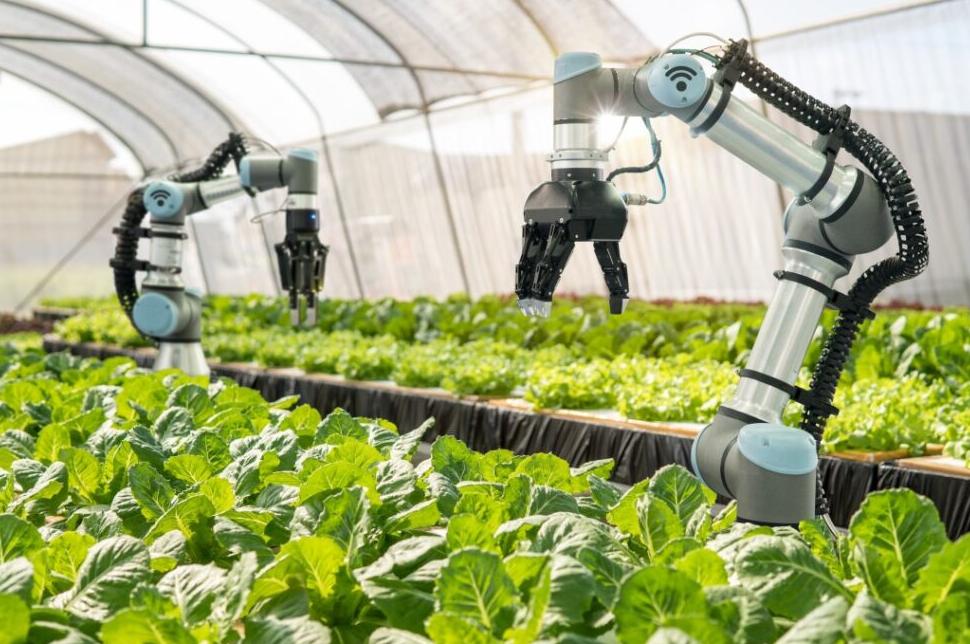
Agricultural technology innovations are transforming traditional farming practices. By incorporating tools like drones and sensors, farmers can monitor crops with unprecedented precision. Biotechnology enhances resilience against environmental challenges, while automation introduces robotics and AI to streamline operations. These advancements not only aim to increase yields but also promote sustainability. As the agricultural landscape evolves, the implications of these technologies extend beyond mere productivity, raising questions about their impact on future farming methods.
Precision Agriculture: Drones and Sensors
Precision agriculture has revolutionized farming practices through the integration of drones and sensors, enabling farmers to make data-driven decisions that enhance efficiency and crop yields.
Drone applications, such as aerial mapping and crop monitoring, provide real-time insights, while sensor technology measures soil moisture and nutrient levels.
Together, these innovations empower farmers to optimize resource use, ultimately fostering greater independence and sustainability in agriculture.
See also: Advantages and Disadvantages of Technology
Biotechnology: Enhancing Crop Resilience
How can biotechnology transform agricultural practices to create more resilient crops?
Through genetic engineering, farmers can enhance crop diversity, enabling plants to withstand environmental stresses such as drought, pests, and diseases.
This innovation not only optimizes yield but also promotes sustainability.
Automation in Farming: Robotics and AI
What if the future of farming lies in the seamless integration of robotics and artificial intelligence?
Robotic harvesting systems, equipped with precision technology, can efficiently gather crops while minimizing waste.
Coupled with AI monitoring, farmers gain real-time insights into crop health and environmental conditions.
This innovative combination empowers agricultural operations, enhancing productivity and enabling farmers to make informed decisions in an increasingly complex landscape.
Sustainable Practices: Reducing Environmental Impact
As the agricultural sector faces increasing scrutiny over its environmental footprint, the adoption of sustainable practices emerges as a crucial strategy for reducing negative impacts.
Techniques such as crop rotation and the use of cover crops enhance soil health and biodiversity while minimizing chemical inputs.
These practices not only conserve resources but also empower farmers, fostering a resilient agricultural ecosystem that supports both productivity and environmental stewardship.
Conclusion
In conclusion, the integration of advanced agricultural technologies is not merely a trend but a transformative shift that promises to redefine farming practices. The theory that these innovations can significantly enhance food security while minimizing environmental degradation holds substantial merit. By adopting precision agriculture, biotechnology, and automation, farmers are equipped to meet the growing global demands sustainably. As these technologies continue to advance, they may indeed pave the way for a more resilient and productive agricultural future, challenging traditional methods.