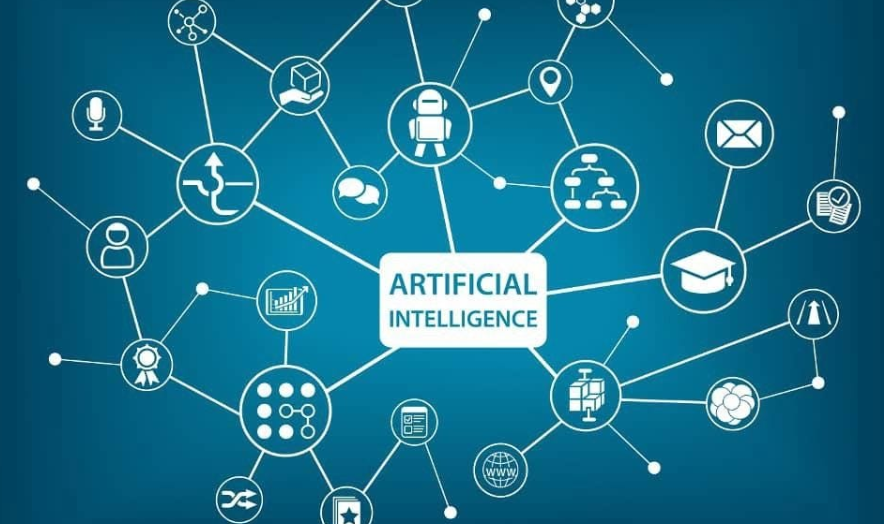
AI applications permeate daily life, enhancing both autonomy and efficiency. Smart home devices streamline energy use and security, while personal assistants take on repetitive tasks. Content recommendations cater to individual tastes, boosting engagement. Furthermore, health and fitness tools encourage proactive wellness. This integration of AI not only transforms routines but also raises questions about dependency and privacy. Exploring these implications offers insight into an increasingly automated lifestyle. What challenges and opportunities lie ahead?
Smart Home Devices
Smart home devices represent a significant evolution in how individuals interact with their living environments.
Smart thermostats optimize energy consumption, granting users autonomy over heating and cooling, while enhancing comfort.
Meanwhile, security cameras empower homeowners to monitor their property remotely, providing peace of mind.
Together, these innovations not only streamline daily routines but also foster a sense of control and security in modern life.
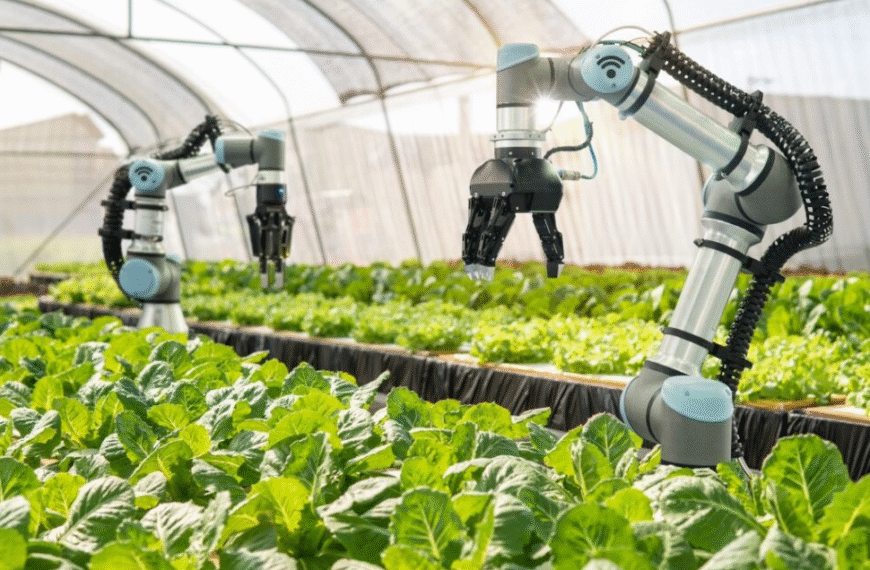
See also: Agricultural Technology Innovations
Personal Assistants
Personal assistants have transformed the way individuals manage their daily tasks and information. Utilizing advanced voice recognition technology, these AI-driven tools enable seamless communication, allowing users to dictate commands effortlessly.
Task automation further enhances efficiency, freeing individuals from mundane chores. As personal assistants continue to evolve, they empower users to reclaim valuable time, fostering a sense of autonomy in an increasingly busy world.
Content Recommendations
As individuals increasingly rely on technology for daily tasks, content recommendation systems have emerged as a powerful tool for enhancing user experiences across various platforms.
Health and Fitness Monitoring
Harnessing the power of technology, health and fitness monitoring applications have transformed the way individuals track their well-being and physical activities.
Wearable technology, integrated with advanced fitness apps, empowers users to set personalized goals, monitor vital signs, and analyze performance metrics.
This innovation fosters a proactive approach to health, enabling individuals to embrace their freedom and make informed lifestyle choices tailored to their unique needs.
Conclusion
In conclusion, AI applications are revolutionizing daily life by enhancing efficiency and user autonomy across various domains. Notably, a report from Statista revealed that the global smart home market is projected to reach $174 billion by 2025, underscoring the growing reliance on AI technologies. As individuals increasingly embrace smart home devices, personal assistants, tailored content recommendations, and health monitoring tools, the integration of AI continues to transform everyday experiences, fostering a more connected and informed lifestyle.